
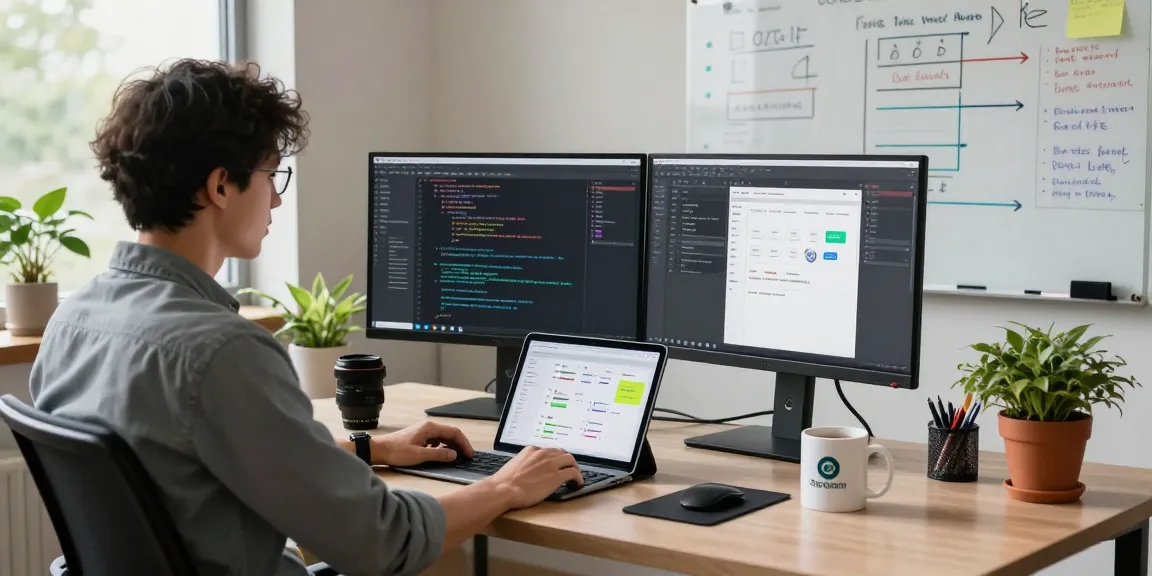
Understanding Internal Tools and AI Integration
In the rapidly evolving landscape of business operations, internal tools have become indispensable for teams looking to streamline their processes and enhance productivity. With the integration of artificial intelligence (AI), organizations can now automate workflows, improve decision-making, and boost overall efficiency. This article explores how to build internal tools with AI, ensuring that even those without coding experience can harness this powerful technology to benefit their businesses.
What Are Internal Tools and Their Importance?
Internal tools refer to software applications developed for use within an organization to improve business processes. These tools may range from project management systems to customer relationship management (CRM) platforms and more specialized applications designed to address specific operational needs. The importance of internal tools lies in their ability to:
- Enhance communication among team members.
- Facilitate data tracking and reporting.
- Automate routine tasks to free up employee time.
- Improve the overall efficiency of business operations.
As businesses continue to scale, the demand for tailored solutions grows, making internal tools an essential part of modern operations.
How AI Enhances Internal Tool Development
AI enhances internal tool development by introducing automation and intelligent features that can learn from data patterns. For instance, AI algorithms can analyze user interactions and suggest improvements or automate repetitive tasks based on historical data. These capabilities allow organizations to:
- Create more intuitive user interfaces that adapt to user needs.
- Reduce development times by simplifying the coding process.
- Integrate predictive analytics to inform strategic decisions.
- Enhance data security through intelligent monitoring systems.
The integration of AI into internal tools transforms static applications into dynamic systems that evolve with the business.
Common Misconceptions about Building Internal Tools
Many organizations shy away from developing internal tools due to misconceptions surrounding complexity and the need for extensive technical knowledge. Here are a few common myths:
- Only large companies can benefit: Businesses of all sizes can leverage internal tools to enhance efficiency and reduce costs.
- High cost of development: With no-code platforms and AI integration, the cost of building internal tools has significantly decreased.
- Only for technical teams: Non-technical employees can participate in the development process using user-friendly tools designed for ease of use.
By dispelling these myths, organizations can empower their teams to take control of their workflows and drive innovation.
Benefits of Building Internal Tools with AI
Streamlined Business Processes through Automation
One of the foremost advantages of leveraging AI to build internal tools is the automation of business processes. For example, AI can automate routine tasks such as scheduling, invoicing, and customer follow-ups. This not only saves time but also minimizes human error, leading to a more consistent workflow. Teams can focus on higher-value tasks, such as strategy development and customer engagement, thereby driving overall growth.
Increased Efficiency and Productivity Metrics
AI-powered internal tools can significantly enhance productivity metrics across an organization. By analyzing data and identifying bottlenecks, these tools can help streamline operations and make data-driven decisions. Implementing AI in internal tools has been shown to:
- Reduce operational costs by up to 30%.
- Increase speed of service delivery.
- Improve employee satisfaction by providing them with resources to perform their tasks more effectively.
Organizations that embrace AI-driven internal tools are better positioned to stay competitive in their respective markets.
Real-world Success Stories of AI Tool Implementation
Several companies have successfully implemented AI to develop efficient internal tools. For instance, a mid-sized logistics company utilized an AI-powered internal tool for route optimization, reducing delivery times by 25% and significantly cutting fuel costs. Similarly, a financial services firm introduced AI-driven analysis tools that increased accuracy in forecasting and improved client service by providing tailored insights based on customer data.
Challenges in Developing Internal AI Tools
Technical Barriers for Non-Coders
Despite the advancements in no-code platforms, some non-coders still face challenges when developing internal tools. These barriers may include a lack of understanding of how to effectively use available resources and tools, which can hinder their ability to capitalize on the potential benefits of AI integration.
Data Privacy and Governance Considerations
Integrating AI into internal tools raises important questions regarding data privacy and governance. Organizations must ensure compliance with regulations, such as the General Data Protection Regulation (GDPR), to keep customer data secure. Businesses must establish clear governance policies to manage data access, storage, and usage effectively.
Integration with Existing Systems and Software
Another common challenge is integrating new AI tools with existing systems and software. Organizations often have legacy systems that may not be compatible with modern AI technologies. Careful planning is required to ensure a smooth transition and minimize disruptions during the integration process.
Best Practices for Building Internal Tools with AI
Step-by-Step Guide: From Concept to Deployment
To successfully build internal tools with AI, organizations should follow a structured approach:
- Identify the specific business problem you want to solve.
- Gather input from team members to validate the idea.
- Choose the right no-code or low-code platform that suits your needs.
- Develop a prototype to test the concept with a small user group.
- Iterate based on feedback before rolling out the final tool.
Choosing the Right AI Tools and Technologies
Selecting the appropriate AI tools and technologies is crucial for successful internal tool development. Organizations should evaluate various platforms based on their functionality, ease of use, scalability, and cost. Popular no-code platforms that offer AI capabilities include Bubble, Airtable, and Zapier, which can cater to a variety of business needs.
Engaging Team Members in the Development Process
For internal tools to be effective, it’s essential to involve team members in the development process. Engaging users in the design and testing phases ensures their needs are met and fosters a sense of ownership. Encouraging feedback can lead to improvements and increased adoption rates.
Future Trends: Internal Tools and AI in 2026
Emerging AI Technologies Shaping Internal Tool Development
By 2026, we can expect AI technologies to evolve rapidly, leading to more sophisticated internal tools. Natural language processing (NLP) and machine learning will enable tools to understand user preferences and provide personalized experiences. Additionally, as AI technology matures, we will likely see improved capabilities for real-time data analysis and decision-making support.
Predictions for User Experience and Design Enhancements
The user experience (UX) of internal tools will become increasingly intuitive, with minimalist interfaces that prioritize user-friendliness. Enhanced usability testing will ensure that tools are designed with the end-user in mind, reducing training times and improving satisfaction.
Preparing for Changes in Team Collaboration Dynamics
The rise of AI in internal tools will also affect collaboration dynamics within teams. Remote work will become the norm, and tools will need to facilitate seamless collaboration across geographical boundaries. AI-powered communication tools will help teams stay connected, allowing for real-time collaboration and enhanced productivity.
What are the main benefits of building internal tools with AI?
The primary benefits include improved efficiency, cost reduction, automation of repetitive tasks, and data-driven insights that enhance decision-making processes.
Are AI-based internal tools suitable for small businesses?
Absolutely. AI-based internal tools can be scaled down to meet the specific demands of small businesses, enhancing productivity without requiring extensive technical investment.
What challenges do companies face when implementing these tools?
Key challenges include technical barriers for non-coders, data privacy concerns, and integration issues with existing systems. It’s crucial for organizations to address these challenges to ensure successful implementation.
How can non-tech employees effectively use AI tools?
Non-tech employees can effectively use AI tools by engaging with user-friendly platforms, participating in training sessions, and providing feedback during the development process. Their input is invaluable for creating tools that meet real-world needs.
What developments can we expect in AI and internal tools by 2026?
By 2026, we can anticipate advanced AI technologies that enhance user experience, increased automation capabilities, and tools that support remote collaboration, thereby transforming workplace dynamics.