
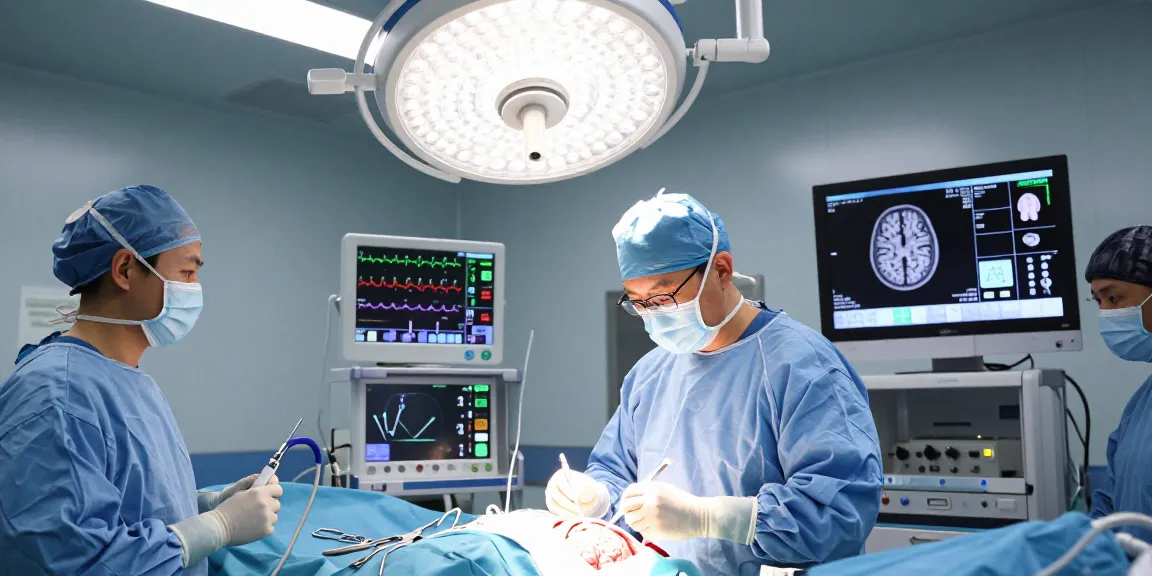
Understanding Beyin Ameliyatı: Basics and Importance
Beyin ameliyatı, or brain surgery, is a critical medical procedure used to treat a variety of serious neurological disorders. With the advancements in medical technology, such as minimally invasive techniques and improved imaging methods, the safety and success rates of these surgeries have significantly improved. An understanding of the various types of procedures, their implications, and recovery processes is vital for patients and their families. In this comprehensive guide, we will explore the essentials of Beyin ameliyatı, including its necessity, types, and what to expect pre- and post-surgery.
What is Beyin Ameliyatı?
Beyin ameliyatı refers to surgical procedures performed on the brain to treat conditions such as tumors, bleeding, and other neurological disorders. These surgical interventions can range from minimally invasive techniques to more extensive open surgeries, depending on the nature and severity of the condition being treated. The primary goal is to alleviate symptoms, remove tumors, or repair structural abnormalities while minimizing damage to healthy brain tissue.
When is Brain Surgery Necessary?
Brain surgery is often required in cases where non-surgical treatments have failed or when immediate intervention is necessary to prevent serious complications. Common indications for surgery include:
- Brain Tumors: When a tumor is causing pressure on surrounding brain structures or exhibiting aggressive growth.
- Hemorrhages: Acute conditions like epidural hematoma or subdural hematoma that require urgent intervention to relieve pressure on the brain.
- Hydrocephalus: Surgery may be needed to place shunts to drain excess cerebrospinal fluid.
- Aneurysms: Surgical repair of weakened blood vessels that are at risk of bursting.
Types of Brain Surgeries Explained
There are several types of brain surgeries, each designed to address specific conditions. Some of the most common include:
- Craniotomy: An open surgery technique that involves removing a portion of the skull to access the brain.
- Endoscopic Surgery: A minimally invasive approach that uses small incisions and specialized instruments to remove tumors or treat conditions.
- Awake Brain Surgery: A unique technique where patients are awake during certain parts of the surgery to monitor brain function in real-time.
- Decompression Surgery: Used to relieve pressure caused by swelling or bleeding in the brain.
Preparation for Beyin Ameliyatı: What to Expect
Preparing for brain surgery involves a thorough assessment and several preoperative tests to ensure patient safety and optimize outcomes. Understanding the preparation process can help ease patient anxiety and improve overall surgical experience.
Preoperative Assessments and Tests
Before undergoing brain surgery, patients will typically go through several assessments, including:
- Imaging Studies: MRI and CT scans to visualize the brain and identify the problem areas.
- Neurological Evaluation: Assessments to gauge cognitive function and identify any existing neurological deficits.
- Blood Tests: To check overall health and ensure there are no contraindications for surgery.
Communicating with Your Neurosurgeon
Effective communication with the neurosurgeon is crucial. Patients should feel empowered to ask questions about their condition, the surgical procedure, and the expected outcomes. Discussing any concerns beforehand can significantly reduce anxiety and build trust between the patient and healthcare team.
Understanding the Risks and Benefits
Like any surgical procedure, brain surgery comes with inherent risks. Understanding these risks and how they compare to the potential benefits is essential for informed decision-making. Common risks include:
- Infection
- Bleeding
- Nerve damage leading to functional deficits
- Memory or cognitive changes
However, the potential benefits of successful surgery may outweigh these risks, particularly when it comes to improving symptoms and overall quality of life.
The Procedure: What Happens During Beyin Ameliyatı?
Understanding the surgical procedure itself can demystify the experience for patients and their families. Here’s what generally happens during brain surgery:
Step-by-Step Overview of the Surgery
The surgical process typically includes several key stages, starting with anesthesia and positioning, followed by the actual surgery, and concluding with postoperative care. Here’s a simplified overview:
- Anesthesia: Patients are sedated to ensure comfort and prevent pain during the procedure.
- Incision: A cut is made to access the brain, usually through the scalp.
- Accessing the Brain: Depending on the type of surgery, the neurosurgeon will remove a portion of the skull or use endoscopic techniques to reach the target area.
- Procedure Execution: The surgeon will then carry out the necessary repairs or removals, guided by advanced imaging technology.
- Closure: After the procedure, the area is closed with sutures or staples.
Advanced Techniques and Technologies Used
Modern neurosurgery employs cutting-edge technologies and techniques, such as:
- Neuro-navigation: A GPS-like technology that guides the surgeon in real-time.
- Awake Surgery: Allows for immediate feedback from patients regarding their neurological functions during the procedure.
- Minimally Invasive Techniques: Reduces recovery time and risk of complications.
Importance of Anesthesia in Brain Surgery
Anesthesia plays a critical role in brain surgery, ensuring that patients remain comfortable and pain-free throughout the procedure. Neuromonitoring may also be employed to assess brain function during surgery when applicable.
Recovery After Beyin Ameliyatı: Healing Process
The recovery process following brain surgery is crucial for regaining functionality and ensuring long-term health. Understanding what to expect during recovery can help patients navigate this challenging time.
Immediate Postoperative Care
After surgery, patients are typically monitored in a recovery room. Key components of immediate postoperative care include:
- Monitoring vital signs and neurological status
- Pain management through medication
- Preventing complications such as infections or excessive bleeding
Long-term Recovery and Rehabilitation
Long-term recovery varies significantly based on the type of surgery and the individual patient. Rehabilitation may involve:
- Physical therapy to regain strength and mobility
- Occupational therapy to assist with daily activities
- Cognitive therapy for memory and thought processes
Managing Potential Complications
While many patients recover well, some may experience complications such as seizures, infections, or cognitive challenges. Close follow-up with healthcare providers is essential for monitoring and addressing any issues that arise.
Cost of Beyin Ameliyatı: What You Need to Know
Understanding the costs associated with brain surgery can empower patients to make informed decisions about their care and finances. Various factors can influence the overall cost of surgery.
Factors Influencing Surgery Costs
The costs of brain surgery vary widely based on several factors:
- Type of Procedure: More complex surgeries typically cost more.
- Hospital Location: Prices may differ based on the region and facility.
- Insurance Coverage: Different insurance plans may cover varying amounts of the total cost.
Insurance and Financial Assistance Options
Patients should explore their insurance options and understand what is covered. Many hospitals offer financial assistance programs to help mitigate out-of-pocket costs.
Cost Comparison: Public vs Private Hospitals
In many cases, public hospitals may offer lower costs for procedures through government support, whereas private hospitals might provide faster service but at a higher price. Patients should weigh their priorities when selecting a facility.
What is the duration of recovery for brain surgery?
Recovery times can vary greatly depending on individual circumstances, ranging from a few weeks to several months. Patients are encouraged to adhere to follow-up appointments and engage in rehabilitation activities to facilitate healing.
What are the risks associated with brain surgery?
While brain surgery can provide significant benefits, it is not without risks, including potential neurological deficits, infection, and complications related to anesthesia. Discussing these risks in detail with a medical professional is advisable.
How is awake brain surgery different from traditional methods?
Awake brain surgery allows patients to provide immediate feedback on neurological function, enhancing the surgeon's ability to minimize damage to critical brain areas. This method represents a significant advancement in neurosurgical techniques.
What follow-up care is necessary after brain surgery?
Follow-up care is essential and may include routine check-ups, imaging studies to monitor recovery, and referral to rehabilitation services as needed. For more information, Beyin ameliyatı offers valuable insights. Maintaining open communication with healthcare providers is key during this phase.