
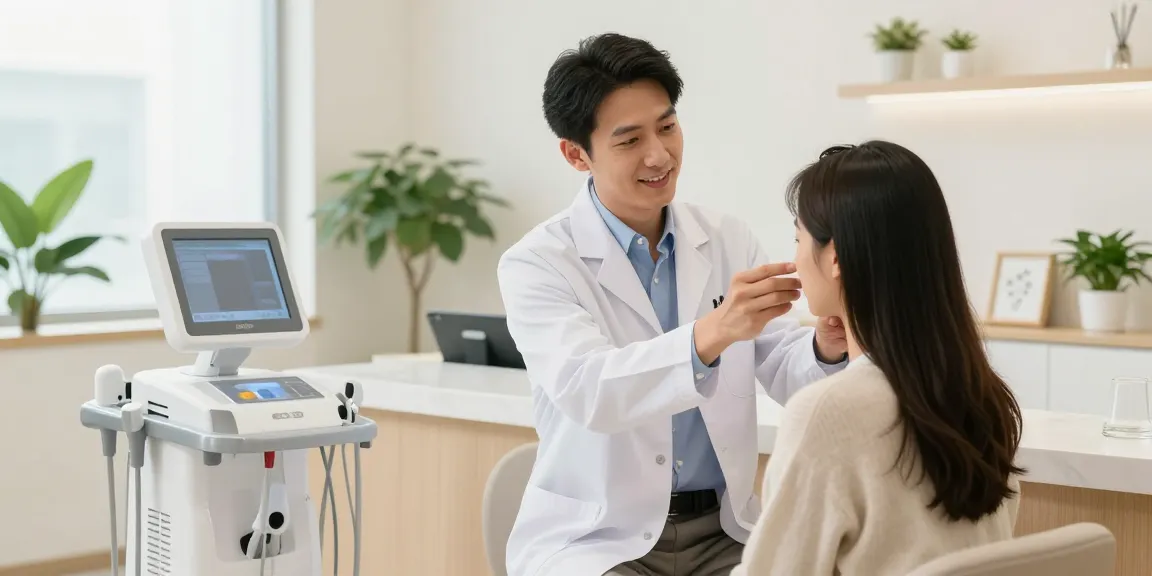
Embarking on a hair restoration journey can be a life-changing decision for many individuals facing hair loss. As the global market for hair transplants continues to expand, Turkey has emerged as a top destination, offering advanced techniques and competitive pricing. With a blend of cutting-edge technology, highly skilled professionals, and an exceptional patient care ethos, Turkey’s clinics are drawing international patients seeking effective solutions for hair restoration. This comprehensive guide will explore the various aspects of hair transplants in Turkey, from what the procedure entails to the ideal candidates, as well as post-operative expectations and the long-term outcomes of these transformative procedures.
Understanding Hair Transplant Procedures
What is a Hair Transplant?
A hair transplant is a surgical procedure that involves the relocation of hair follicles from a donor site, typically located at the back of the scalp, to areas experiencing thinning or balding. This process is designed to create a permanent and natural-looking hair growth in the recipient areas. The most common methods employed in hair transplantation include Follicular Unit Extraction (FUE) and Direct Hair Implantation (DHI), both of which have their unique benefits and applications. When exploring options, best hair transplant turkey providers offer comprehensive insights into these methods to help you make an informed decision.
Overview of Hair Transplant Methods in Turkey
Turkey is renowned for its advanced hair restoration techniques and medical infrastructure. The two primary methods used in hair transplants are:
- Follicular Unit Extraction (FUE): This minimally invasive technique involves extracting individual hair follicles from the donor area and implanting them into the recipient zones. FUE is advantageous as it avoids linear scarring and allows for flexible hairstyles post-surgery.
- Direct Hair Implantation (DHI): A more refined approach to FUE that uses a specialized implanter tool, allowing for immediate implantation of grafts without the need to create recipient sites beforehand. This method is particularly beneficial for creating precise hairline designs.
Advantages of Hair Transplant in Turkey
There are several compelling reasons to consider Turkey as a destination for hair transplantation:
- Cost-Effectiveness: The procedure costs in Turkey are significantly lower than in Western countries, often allowing for all-inclusive packages covering surgery, accommodation, and aftercare.
- Skilled Surgeons: Many Turkish clinics employ internationally trained and board-certified surgeons, ensuring a high standard of care and expertise in advanced techniques.
- Comprehensive Patient Care: Clinics in Turkey understand the importance of patient support before, during, and after the procedure, which enhances the overall experience.
Why Consider Turkey for Hair Restoration?
Expertise and Technology in Turkish Clinics
Turkey boasts a robust healthcare system, particularly in aesthetic and cosmetic procedures, which has rapidly evolved over the last decade. Many clinics are equipped with state-of-the-art technology and remain up-to-date with global medical standards. The implementation of advanced techniques such as Sapphire FUE and the use of high-quality tools for graft extraction and implantation increase the likelihood of successful outcomes.
Cost-Effectiveness of Procedures
The financial aspect plays a significant role in the decision-making process for many patients seeking hair restoration. In Turkey, costs can range from $1,500 to $4,500, depending on the complexity of the procedure, number of grafts required, and the chosen clinic. This pricing model provides an attractive alternative to those facing prohibitive costs in their home countries without compromising quality of service or results.
Patient Care and Aftercare Services
A standout feature of Turkey’s hair transplant clinics is their commitment to patient care. From pre-operative consultations to post-operative support, clinics prioritize patient safety and satisfaction. Before your procedure, detailed guides are provided to ensure a complete understanding of the process, and post-operative instructions are essential for optimal recovery and graft survival.
Who Is the Ideal Candidate for Hair Transplant Turkey?
Assessing Hair Loss Patterns and Health Conditions
Ideal candidates for hair transplants are typically adults experiencing stable pattern baldness, who possess sufficient donor hair. Each candidate is evaluated based on their unique health conditions, extent of hair loss, and future potential for hair loss. Chronic illnesses or medication use may affect eligibility, so thorough consultations are vital.
Age Considerations for Best Results
While age can influence the decision to undergo a hair transplant, it is generally recommended to wait until after the age of 25. This guideline allows for a better assessment of hair loss patterns and helps prevent uneven results due to ongoing hair loss in untreated areas. A tailored approach considering the patient’s age, health status, and hair density plays a pivotal role in achieving the desired outcome.
Understanding Donor Hair Quality
The success of a hair transplant largely depends on the quality and accessibility of donor hair. The typical donor zone, found at the back and sides of the scalp, should possess healthy hair follicles resistant to the effects of dihydrotestosterone (DHT). An assessment of donor hair quality and quantity helps inform the potential number of grafts that can be utilized in the transplant process.
Post-Transplant Expectations and Aftercare
What to Expect After Hair Transplant Surgery
Post-operative experiences may vary, but many patients can expect slight swelling, mild discomfort, and redness at the transplant site within the first few days. It is important for patients to abide by the aftercare guidelines provided by their clinic to ensure proper healing and optimize results.
Essential Aftercare Tips for Optimal Results
Following a hair transplant, adopting proper aftercare measures is crucial. Patients are advised to:
- Avoid strenuous activities for at least one month
- Use prescribed shampoos and follow washing instructions carefully
- Avoid direct sun exposure and swimming in pools or the ocean for a few weeks
- Wear a protective cap as instructed to shield the scalp during the early recovery phase
Common Side Effects and Recovery Timeline
While side effects can vary among patients, common experiences include swelling, bruising, and crusting of the scalp. Most side effects improve within a week, with full recovery taking approximately 10 to 14 days. New hair growth may be visible within three to six months, with final results becoming apparent within 12 to 18 months.
Assessing Long-Term Outcomes After Hair Transplant
Success Rates and Potential Risks
The success rate of hair transplants is generally high, particularly in clinics that adhere to rigorous standards of care. Clinics in Turkey have reported success rates between 90-95%, attributed to skilled surgeons, sophisticated algorithms for graft extraction and placement, and comprehensive aftercare strategies. However, potential risks exist, including infection, graft loss, or insufficient hair growth, which necessitate informed discussions with the medical team prior to proceeding.
Longevity of Results: What Happens 10 Years Later?
Ten years following a successful hair transplant, patients can expect the transplanted hair to remain intact and continue to grow, provided they adhere to post-operative care and have realistic expectations about hair density post-procedure. Regular follow-ups will allow for an assessment of the results and any future maintenance required.
Planning for Future Maintenance and Care
While transplanted hair follicles are genetically resistant to loss, surrounding non-transplanted hair may still experience thinning over time. For more information, https://www.smilehairclinic.com/en/ offers valuable insights. Patients may require follow-up treatments to maintain a full appearance, as aesthetics can change with age.


